
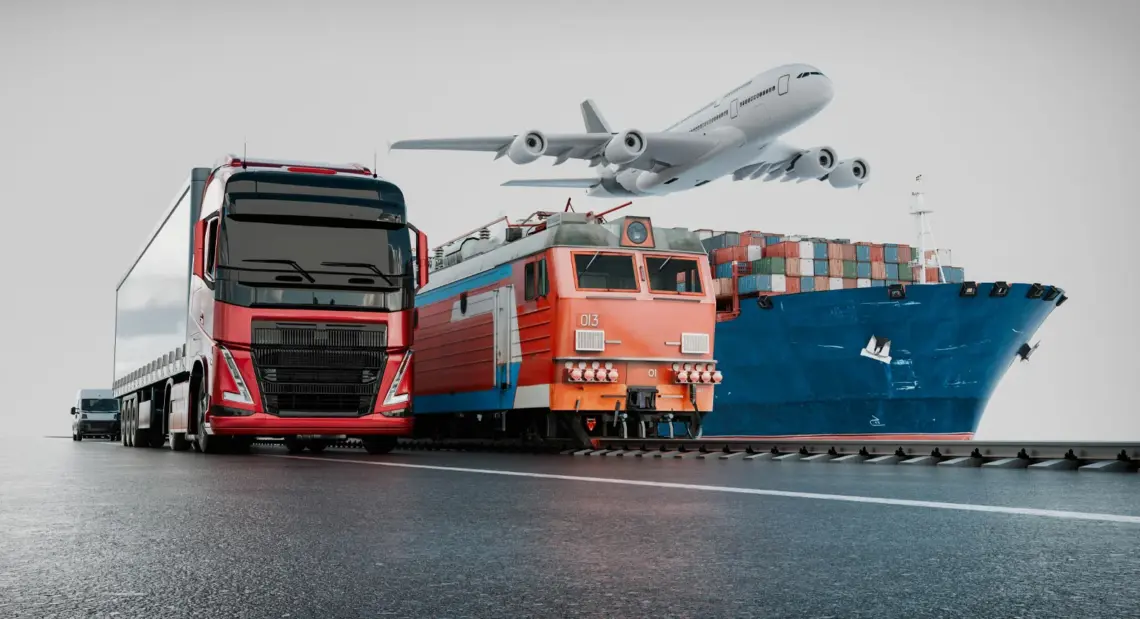
Global transportation infrastructure projects are reshaping international trade routes as governments and private investors expand ports, railways, highways, and logistics hubs. Analysts report that improved connectivity is helping businesses reduce delivery times and access new markets more efficiently.
Several regions have announced major investments in freight corridors designed to support growing trade volumes. Modern ports are introducing automated cargo handling systems, while rail operators are expanding capacity to accommodate increasing demand. These improvements are expected to strengthen supply chains and improve economic competitiveness.
Technology is playing an important role in modernization efforts. Real-time tracking systems, predictive analytics, and digital customs platforms are helping reduce delays and improve visibility throughout transportation networks. Industry experts believe these innovations can significantly improve operational efficiency.
Environmental sustainability is also influencing project planning. Governments are encouraging energy-efficient infrastructure, alternative fuels, and lower-emission transportation solutions. Many organizations view sustainable logistics as a long-term strategic priority.
Economists predict transportation investment will remain strong throughout the next decade. Improved infrastructure can stimulate trade, create jobs, and support economic development. Countries that successfully modernize logistics networks may gain significant advantages in global commerce.
Industry observers expect continued collaboration between governments, financial institutions, and private companies. As international trade becomes increasingly interconnected, reliable transportation infrastructure will remain essential for growth and competitiveness.
